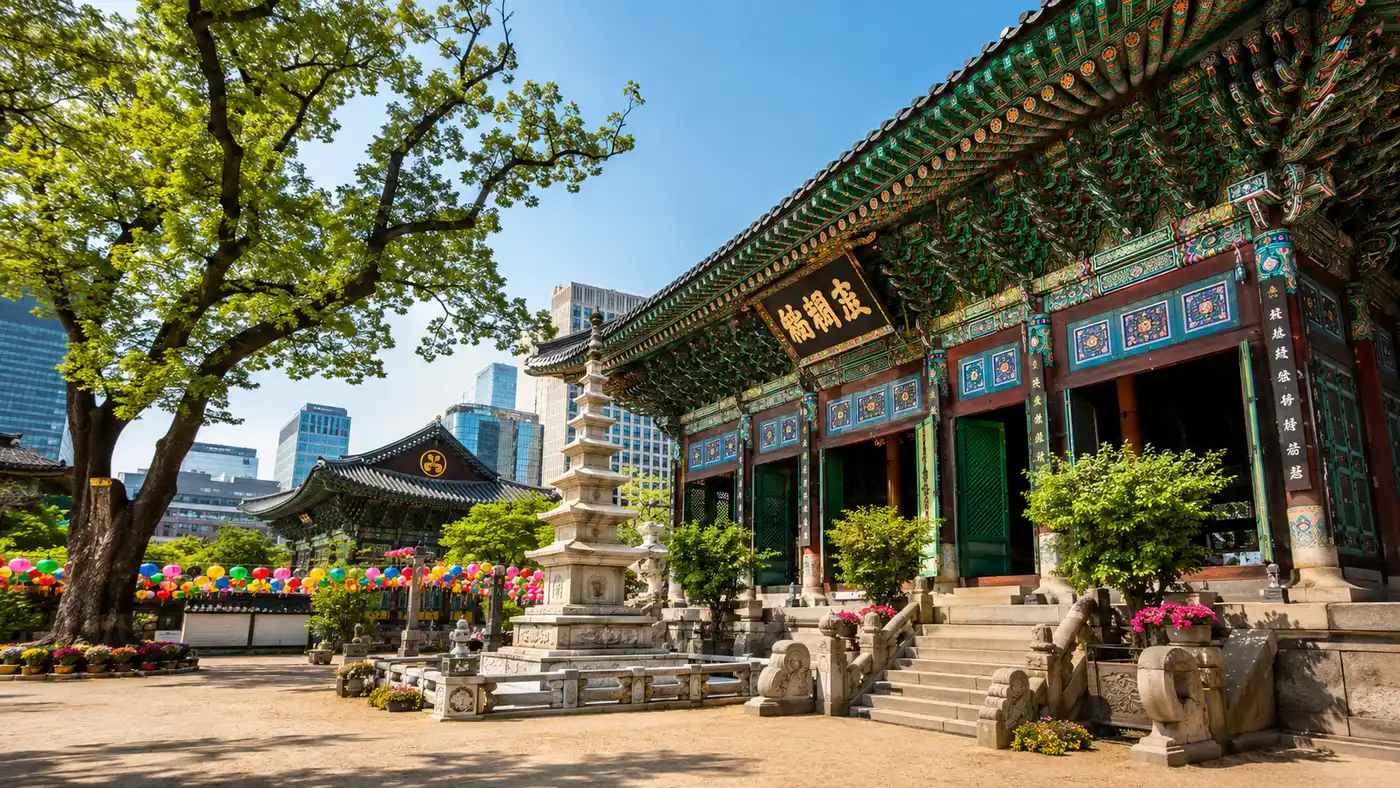
Beyond Jogyesa: Other Buddhist Temples in Seoul & Korea
Discover the best Buddhist temples in Seoul beyond Jogyesa. Explore serene mountain retreats and modern urban …
Continue Reading →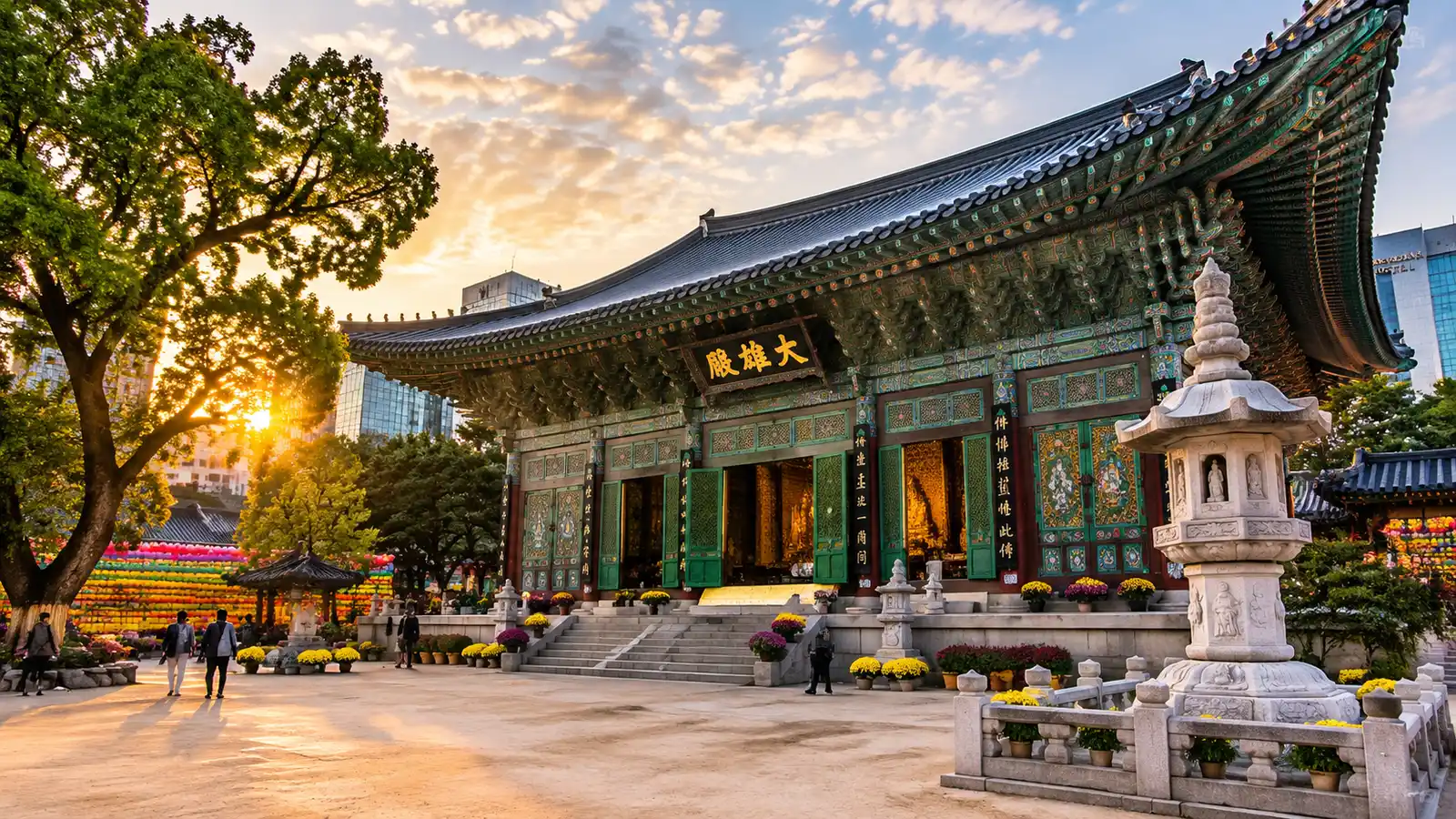
Step into a world of vibrant colors, ancient traditions, and profound tranquility right in the heart of bustling Seoul. Jogyesa Temple offers a peaceful retreat and a deep dive into Korean Buddhist culture.
Discover what makes Jogyesa Temple unforgettable.
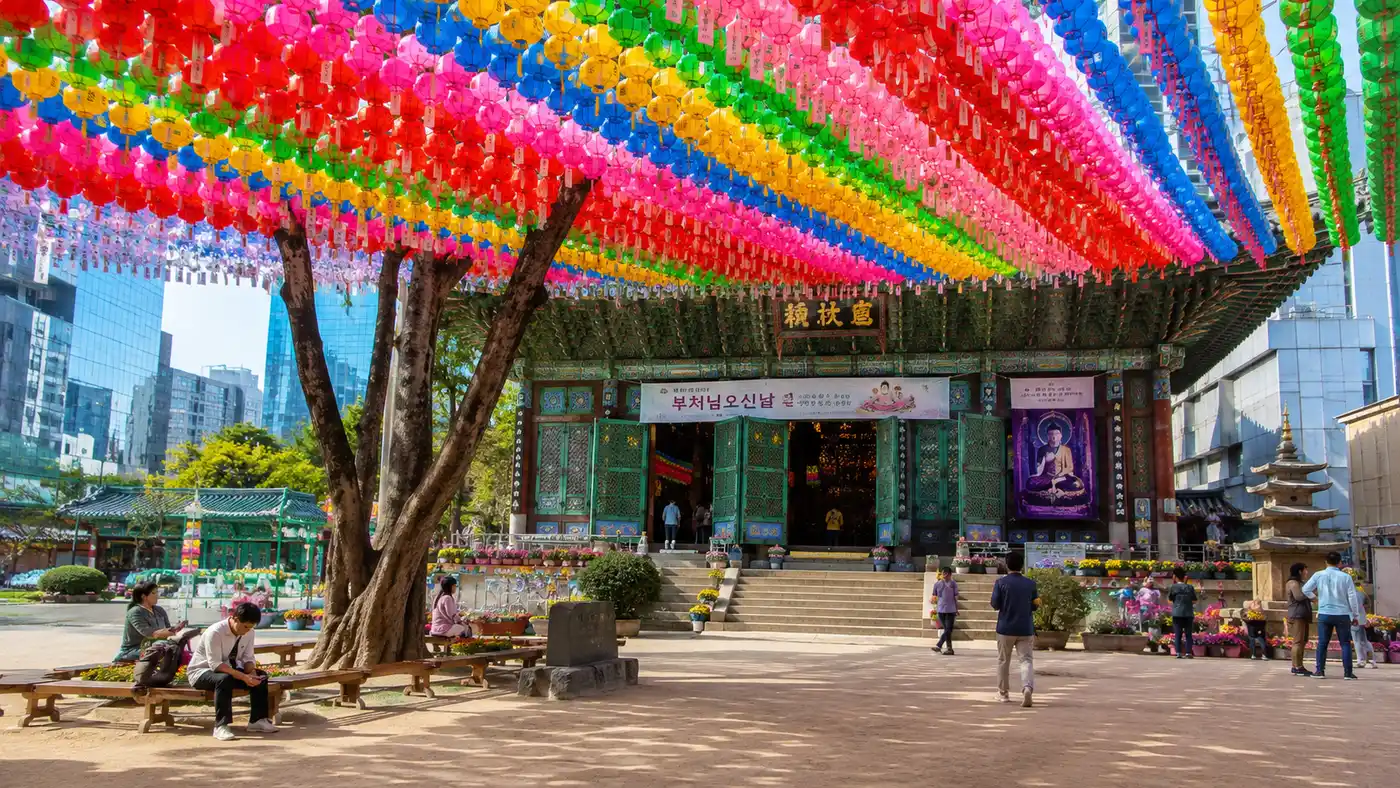
Join a Temple Stay program or participate in a simple chanting session. These unique opportunities offer a profound glimpse into the daily practices and spiritual discipline of Buddhist monks. It's an immersive way to connect with the temple's living traditions.
Learn more →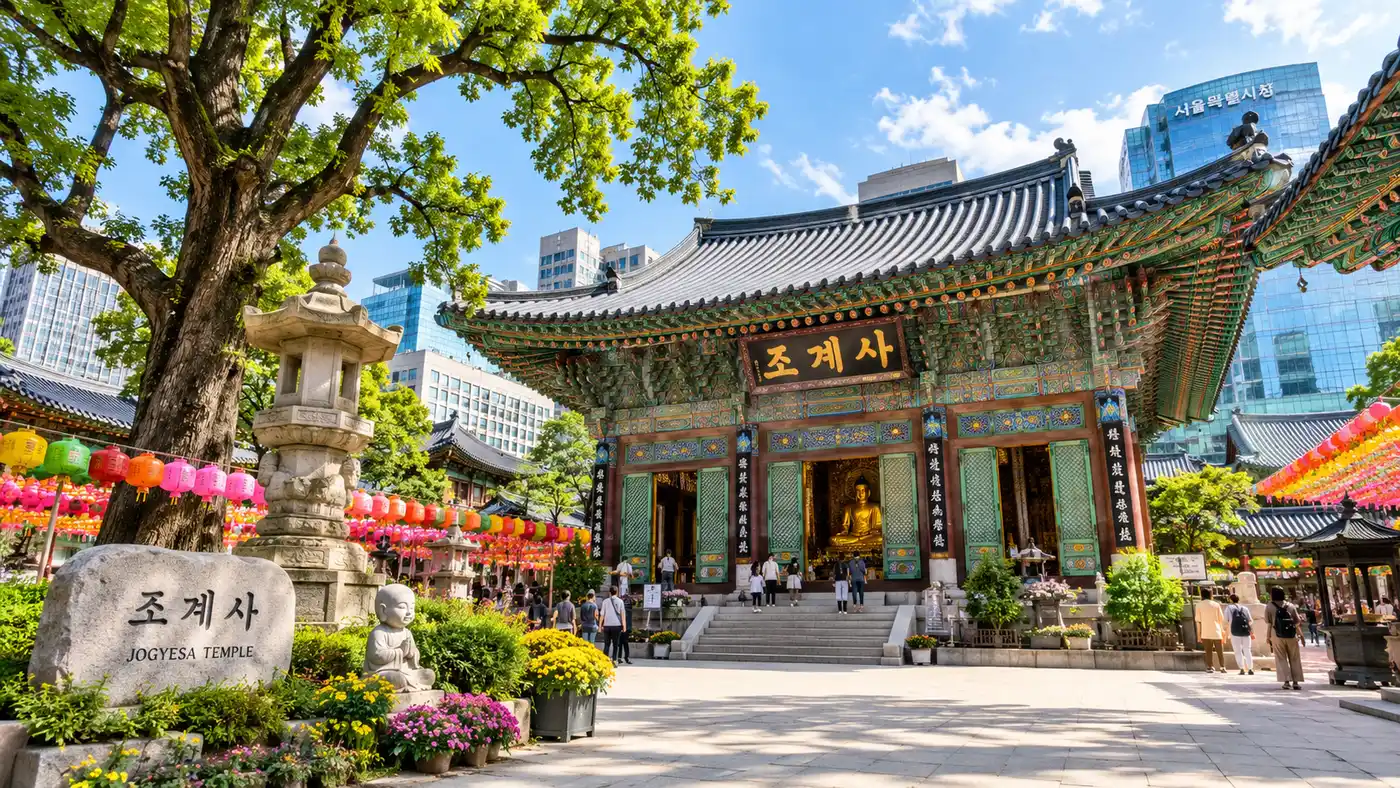
Explore the temple's intricate architecture and ancient trees, each telling a story of Korea's Buddhist past. Learn about the Jogye Order's significant role in shaping the nation's spiritual and cultural landscape over many centuries. The temple serves as a powerful symbol of enduring faith.
Learn more →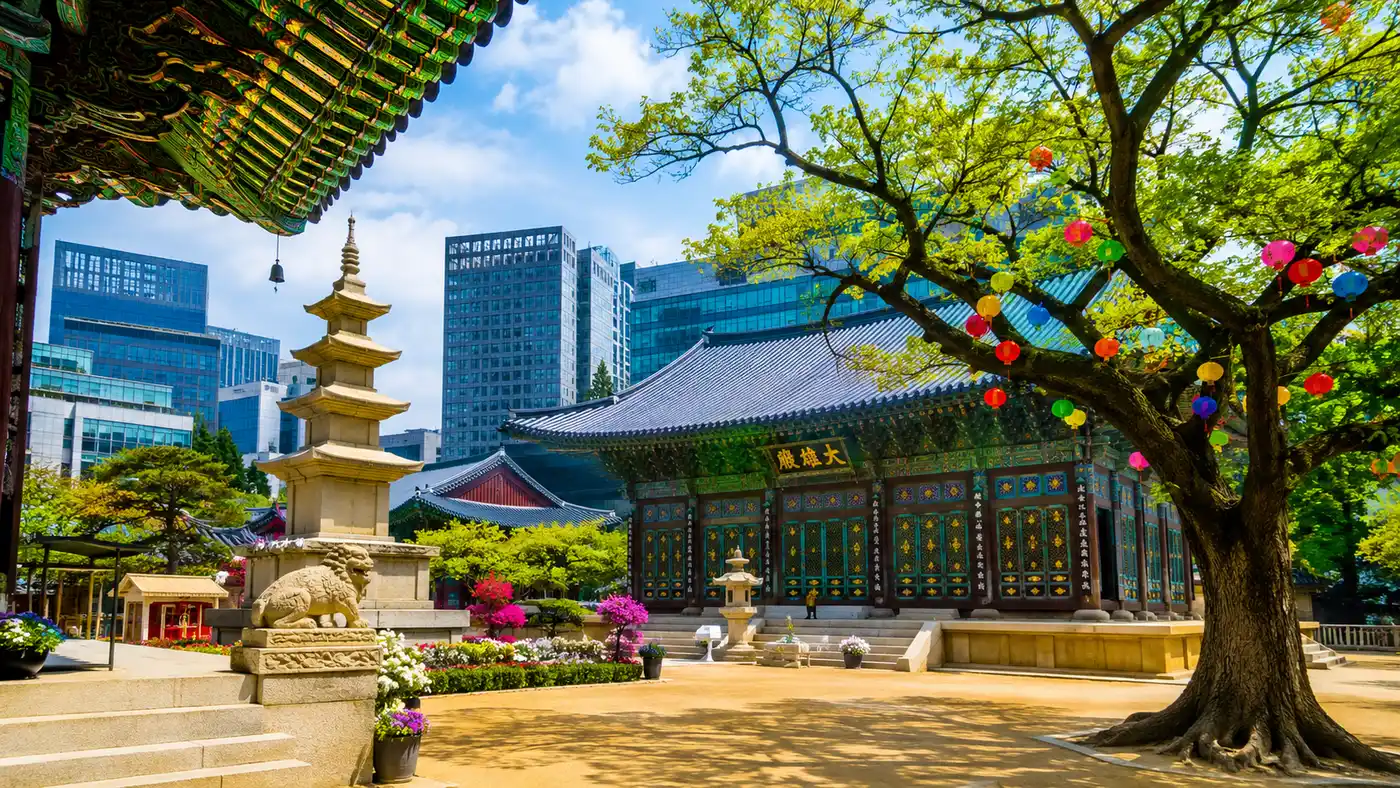
Jogyesa Temple's prime location in Jongno-gu makes it incredibly easy to reach by subway or bus. It's the perfect spot to begin or end a day of exploring Seoul's historical and cultural attractions. You can effortlessly combine your visit with nearby sights.
Learn more →
Just a five-minute walk from Jogyesa, the charming streets of Insadong await. Browse traditional Korean crafts, enjoy a cup of tea in a hanok cafe, or sample some authentic street food. It’s an ideal complement to your spiritual journey.
Learn more →What to expect from arrival to departure.
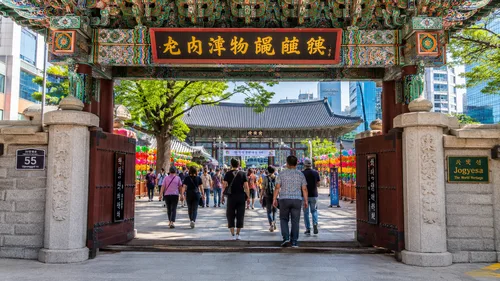
Step off the subway and follow the signs, the temple's grand entrance quickly appears, a sudden splash of color in the urban landscape.
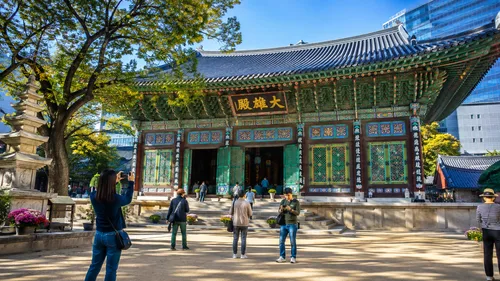
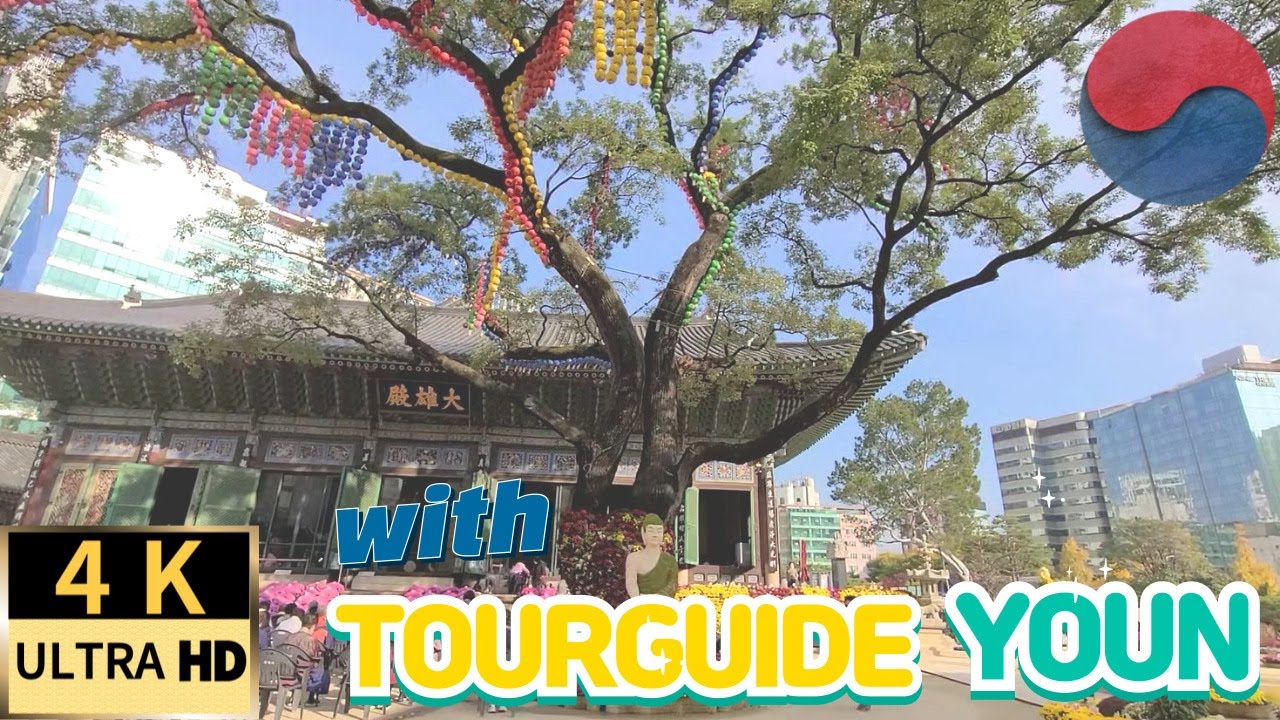
Behold the magnificent Grand Main Hall, its intricate paintings and vibrant Dancheong patterns are truly captivating, a testament to traditional artistry.
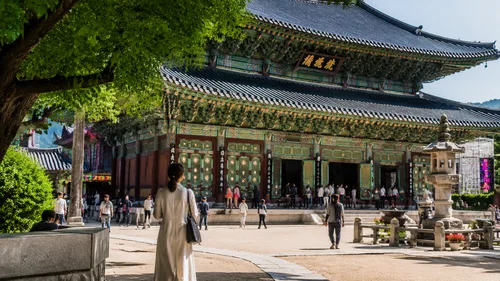
Stroll amidst the ancient trees, including the revered 500-year-old White Pine, and soak in the serene atmosphere of the central plaza.
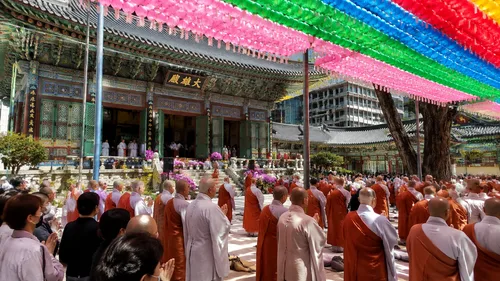
If timing allows, respectfully observe a chanting session or a prayer service inside the main hall, experiencing the living faith firsthand.
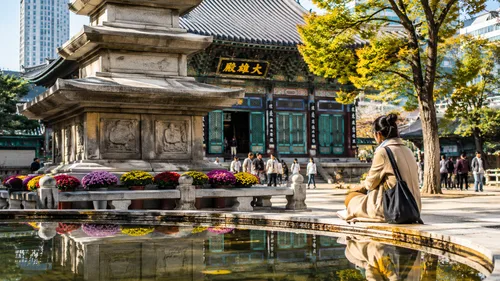
Find a quiet spot near the Seven-Story Stone Pagoda, contemplating the intricate carvings and the peaceful sounds of the temple grounds.
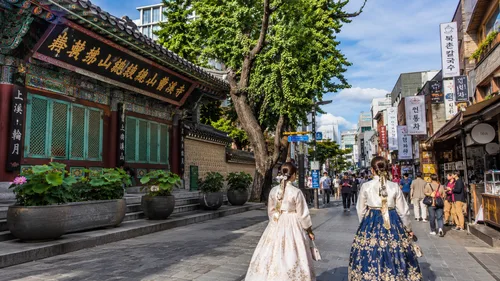
Conclude your visit with a short walk to Insadong, where you can enjoy traditional tea, browse craft shops, and reflect on your spiritual journey.
Nestled discreetly amidst the high-rise buildings and bustling streets of central Seoul, Jogyesa Temple serves as the spiritual heart of the Jogye Order, Korea's largest Buddhist sect. This wasn't always its location, but since the early 20th century, it has grown into an indispensable landmark, a vibrant hub where traditional Korean Buddhism thrives in a modern metropolis.
More than just a place of worship, Jogyesa offers visitors a unique window into a profound cultural heritage. Its colorful main hall, the Daeungjeon, is an architectural marvel, housing a majestic triad of Buddhas. The surrounding courtyard, often adorned with towering ancient trees and seasonal flower displays, invites quiet contemplation and a moment of respite from the city's relentless pace. You'll often find monks in their grey robes going about their daily routines, adding to the temple's authentic, living atmosphere.
Whether you're seeking spiritual solace, a deeper understanding of Korean culture, or simply a beautiful, peaceful spot to unwind, Jogyesa Temple promises an enriching experience. It's a place where history, faith, and daily life converge in a truly captivating way.
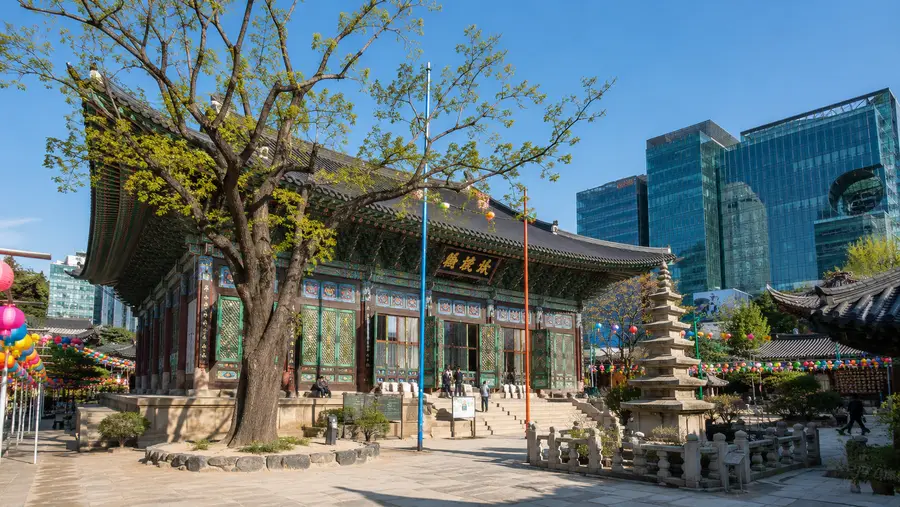
The colors of the main hall were absolutely stunning, especially with the morning light. It was so peaceful despite being right in the city, the incense smell was truly calming.
A lovely spot for a quiet moment. The giant trees in the courtyard were impressive. I wish I'd caught a chanting session, but still a great visit.
I loved seeing the monks going about their day, it felt very authentic. The architecture is just beautiful, especially during the spring lotus lantern display.
So easy to get to, and a real contrast to the busy streets. The detailed paintings inside the temple were incredible, I spent ages just looking at them.
Compare options and book directly below.
Includes accommodation, three vegetarian meals, participation in morning and evening rituals, meditation guidance, and a cultural workshop.
Offers a taste of temple life with a tea ceremony, a meditation session, and a guided tour of the temple grounds, typically lasting 2-3 hours.
Everything you need to know before visiting Jogyesa Temple.
Hours: Temple grounds are open 24 hours, 365 days a year. Main halls (Daeungjeon and Geuknakjeon) are open from 4:00 AM to 9:00 PM.
| Temple Stay (1 Night) (approx. $53 USD) | ₩70,000 |
| Cultural Experience (Half Day) (approx. $19 USD) | ₩25,000 |
📍 55 Ujeongguk-ro, Jongno-gu, Seoul, South Korea
See it before you go.
Worth combining with your Jogyesa Temple visit.
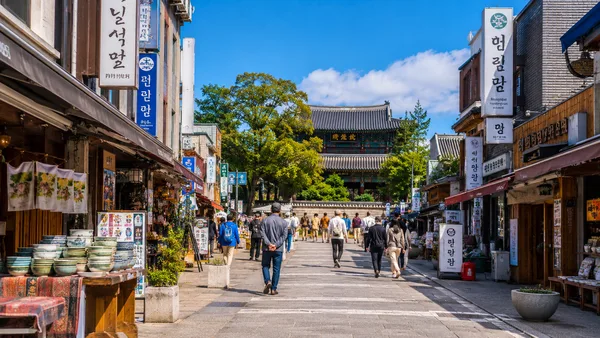
A vibrant cultural street known for traditional crafts, art galleries, tea houses, and street food.
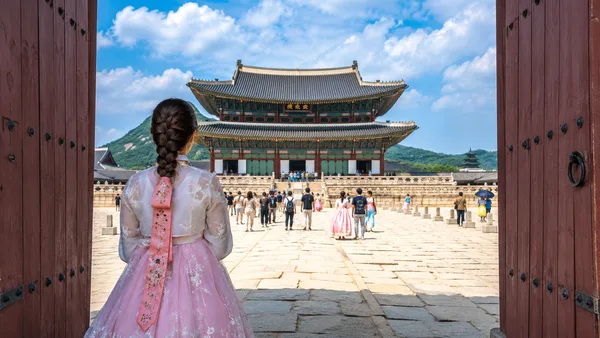
Seoul's largest and most iconic palace, offering a majestic glimpse into Korea's royal past.
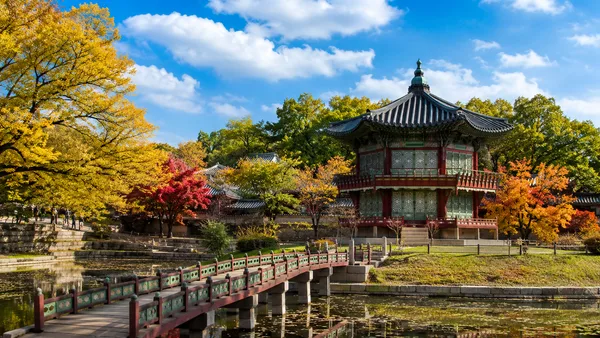
A UNESCO World Heritage site featuring stunning architecture and a beautifully preserved royal garden.
Jogyesa Temple welcomes all visitors with accessibility features and family-friendly amenities.
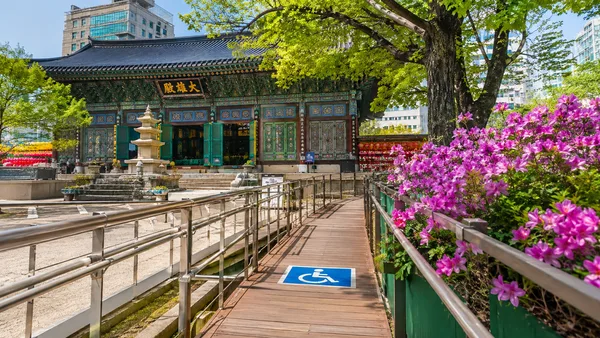
The main courtyard is paved and generally accessible. There is a ramp up to the entrances of the temple. However, the raised threshold at the entrance to the Daeungjeon (Main Hall) may present difficulty for wheeled mobility aids. Accessible pathways are available, and there are designated elevators, separate parking, and restrooms in the Korean Buddhism History and Culture Memorial Hall. A wheelchair ramp is accessible to Daewonjeon Hall, but not available inside the sanctuaries.
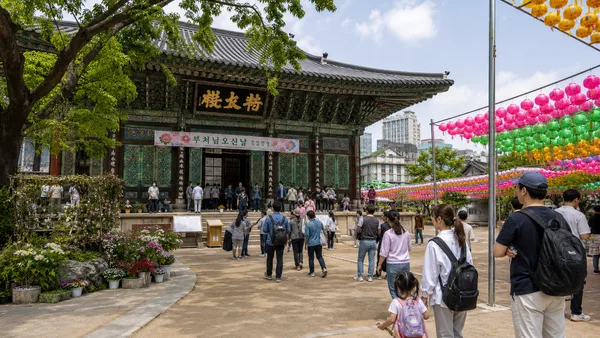
The temple is a peaceful retreat and cultural hub. While specific stroller friendliness is not detailed, the general accessibility of the courtyard and free admission make it suitable for families. Nearby attractions offer activities for children, such as folk games and craft workshops.
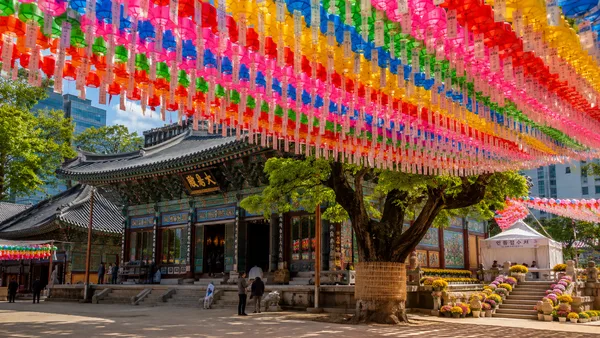
Information plaques throughout the temple grounds are often provided in English. Temple Stay programs typically offer English guidance for international guests.
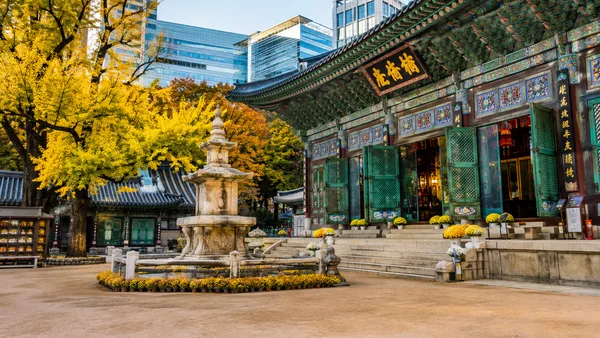
The temple grounds feature paved and hard-packed gravel areas, making it easy to navigate. There are some steps to enter the temple, and a raised threshold at the entrance to the Daeungjeon may pose a challenge for wheeled mobility aids. Accessible pathways and ramps are available in certain areas, and a designated elevator is present.
Dive deeper into Jogyesa Temple.
Discover the best Buddhist temples in Seoul beyond Jogyesa. Explore serene mountain retreats and modern urban …
Continue Reading →
Discover the best hotels near Jogyesa Temple in Seoul. Find the perfect hotel near Jogyesa Temple for your trip, with …
Continue Reading →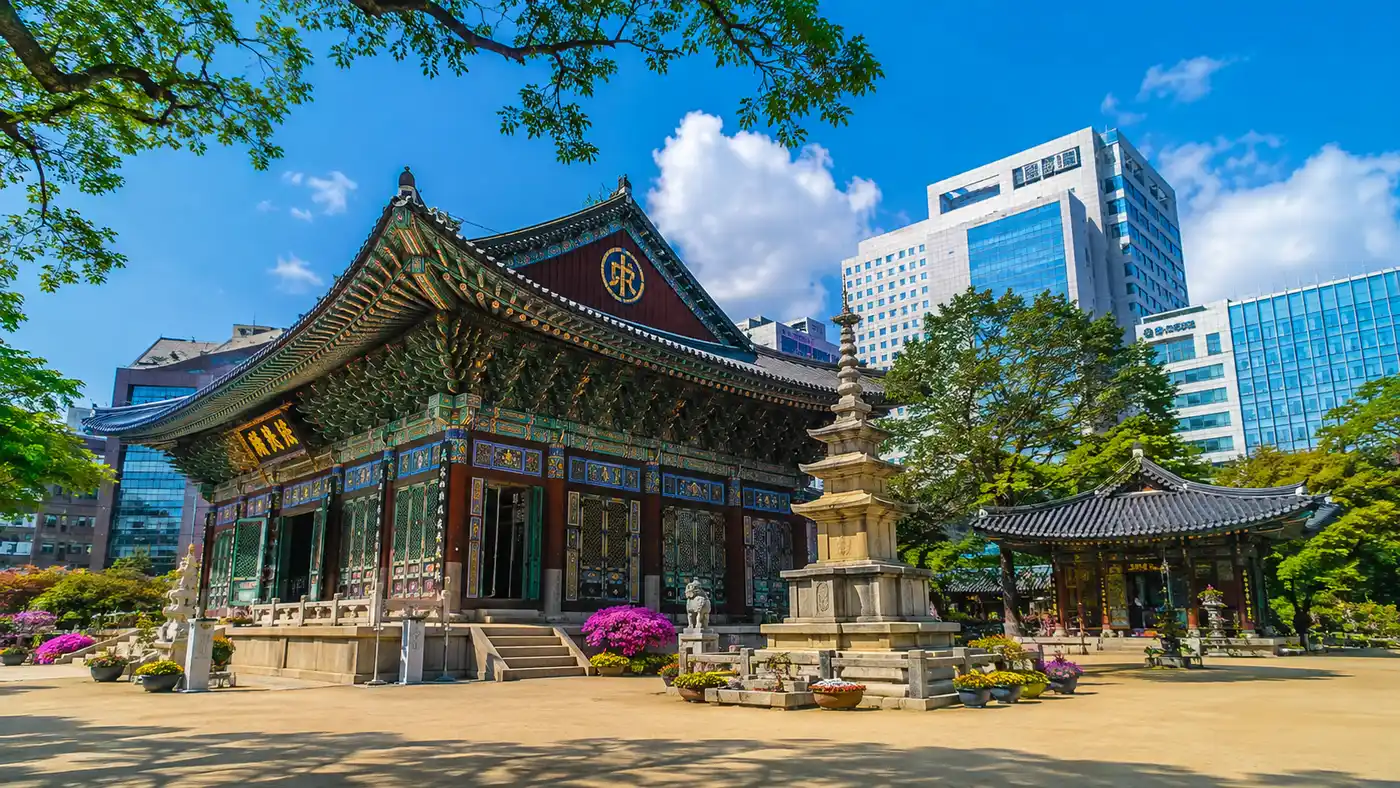
Discover how to get to Jogyesa Temple with our detailed guide on subway, bus, and walking directions from popular Seoul …
Continue Reading →
Experience the vibrant jogyesa temple lantern festival, try a temple stay, and discover things to do at this iconic …
Continue Reading →
Discover the rich jogyesa temple history, the spiritual heart of Korean Zen Buddhism, and its enduring legacy in Seoul.
Continue Reading →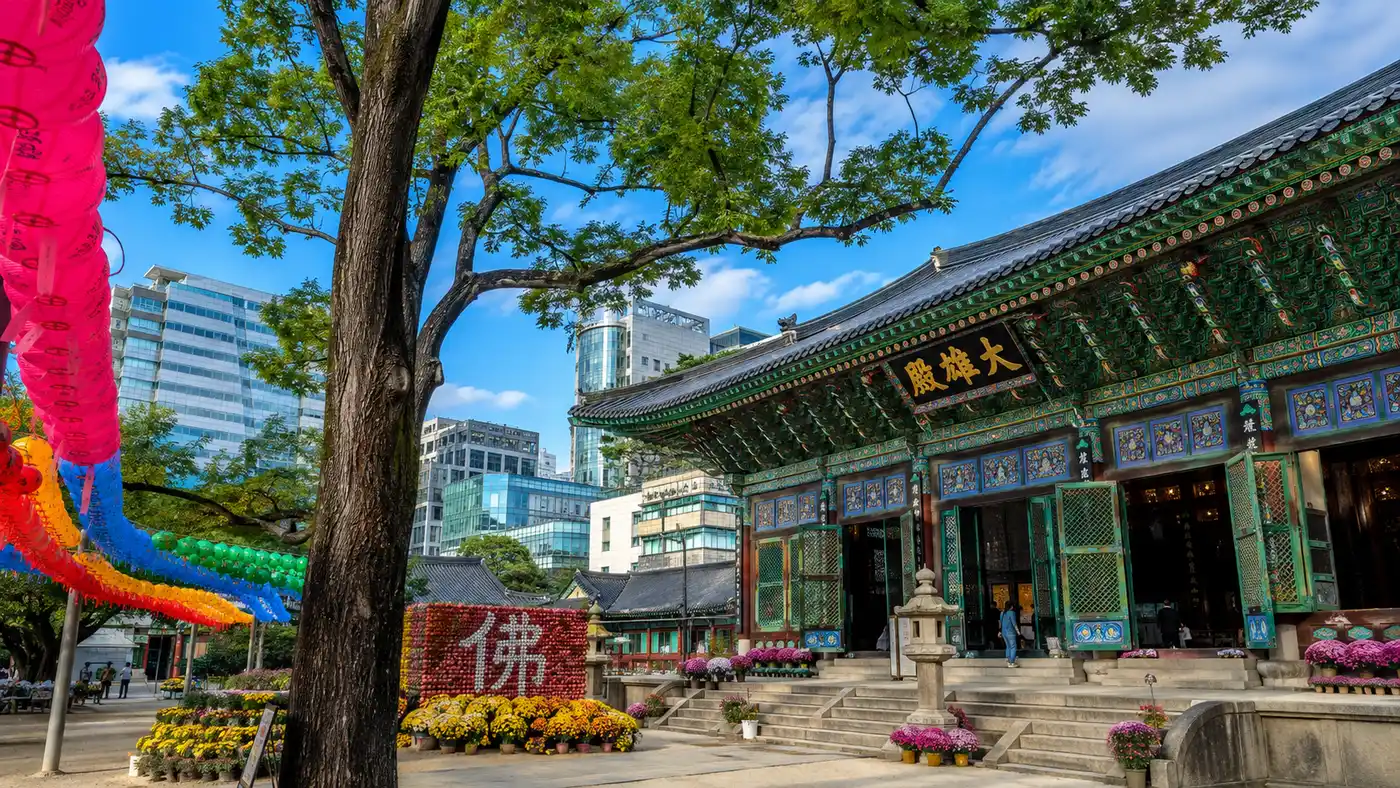
Discover Jogyesa Temple's hours, free entrance fee, and respectful dress code. Plan your visit to this serene Seoul …
Continue Reading →Common questions about Jogyesa Temple.
No, entry to the main temple grounds and the Daeungjeon (Main Hall) is completely free. Fees apply only for specific programs like Temple Stays or cultural experiences.
A typical visit to explore the grounds and main hall takes about 45 minutes to 1 hour. If you plan to observe a service or browse the souvenir shop, allow a bit more time.
Yes, the main courtyard and the path to the Daeungjeon are flat and generally wheelchair-friendly. Some smaller areas or restrooms might have steps, so it's good to be aware.
Photography is generally permitted in the outdoor areas and the main hall, but always be respectful. Avoid flash during services and refrain from taking photos of people without their permission.
Jogyesa stands out for its central urban location and its role as the headquarters of the Jogye Order. While other temples like Bongeunsa offer a more expansive feel, Jogyesa provides an intimate, accessible experience of living Korean Buddhism right in the city's heart.
While dedicated English guides aren't always on standby for general visits, information plaques are often in English. Temple Stay programs typically include English-speaking staff and guidance.
The easiest way is by subway. Take Line 3 to Anguk Station (Exit 6) or Line 1 to Jonggak Station (Exit 2 or 3-1). From either, it's a pleasant 5-10 minute walk.
Sometimes, the temple offers short, walk-in cultural programs or tea ceremonies. Check their official website or inquire at the temple information desk upon arrival for current offerings.
Dive deeper into Jogyesa's charm. Explore our detailed guides and practical tips to make your visit unforgettable.